

SKU: 26-203-112
Smart Chef baking pan 24x6.5 cm
No reviews
In stock
monobank installments122 грн/mo

365 ₴730 ₴

Could not update products. Open the page using the link.
Open page


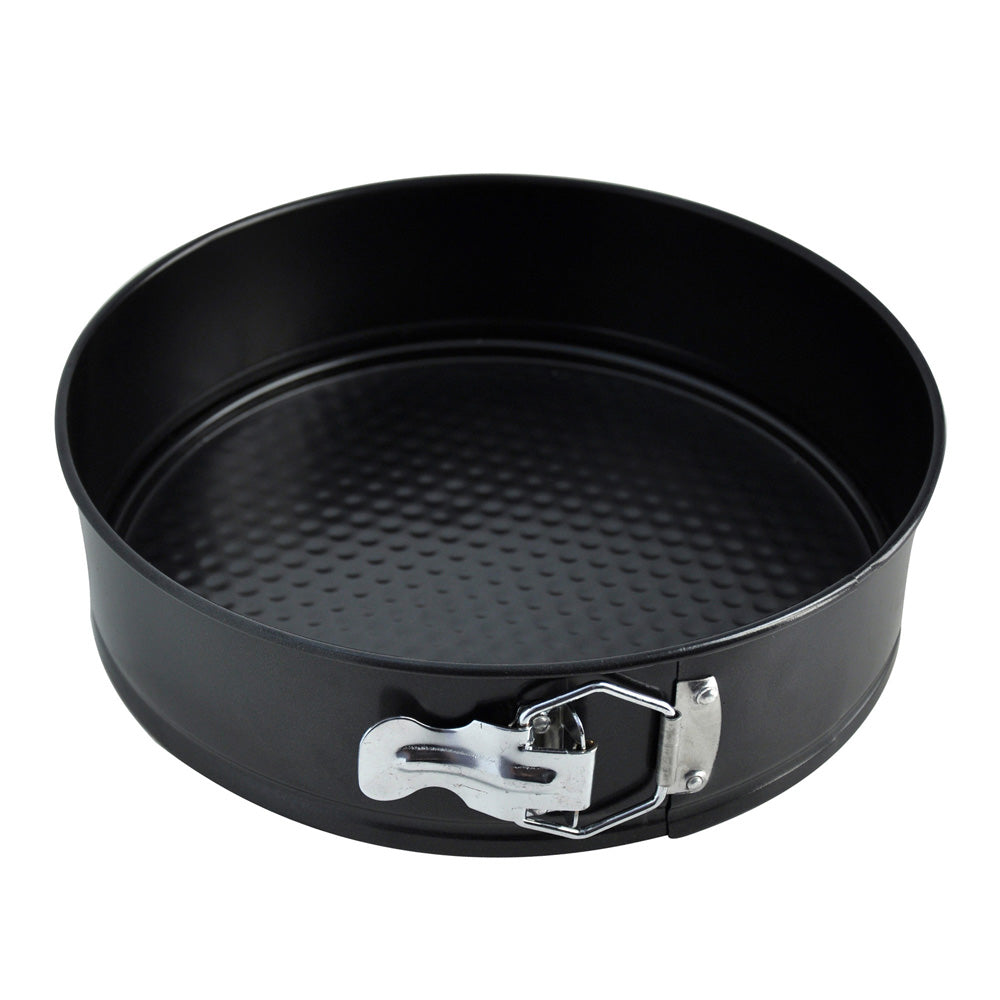


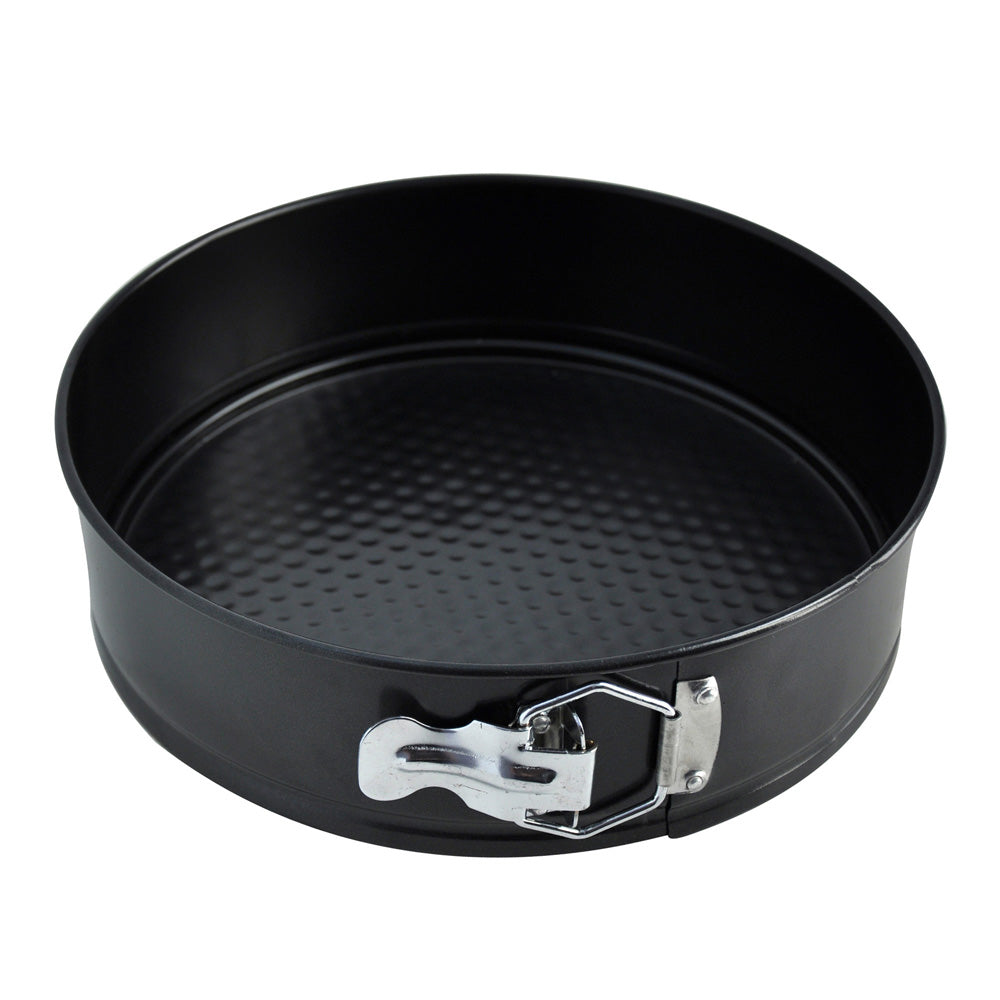
A baking pan is not just a container for pouring batter or arranging food before putting it in the oven. The evenness of the cake's baking, whether the sponge sticks, whether the casserole holds its shape when served, and whether the cheesecake can be removed without damaging the edges all depend on it. That is why a pan should not be chosen at random, but rather by taking into account the material, design, coating, size, side height, and the type of dishes you cook most often.
The Krauff catalog features various formats for the oven: round Smart Chef and Backen pans for cakes and desserts, rectangular and shaped Dainty models, compact containers for small portions, as well as a set of Smart Chef pans for those who frequently bake different dishes. This assortment allows you to choose cookware not abstractly, but for a specific recipe: sponge cake, loaf cake, cheesecake, casserole, lasagna, vegetables, or a homemade dessert.
The main mistake a buyer makes is looking for one "best" pan for everything. In a real kitchen, different recipes require different solutions. A springform pan is convenient for cheesecake, a solid container is better for thin batter, side height is important for a casserole, and for a loaf cake, you need a pan that holds temperature well and helps the batter bake evenly.
|
If you need |
Choose |
Why it is convenient |
|
|---|---|---|---|
|
Sponge cake or pie |
A round metal Smart Chef or Backen pan |
The round format helps achieve an even shape for the cake layer and is convenient for classic baking. |
|
|
Cheesecake or delicate dessert |
A springform pan with a reliable edge |
It is easier to open after cooling without damaging the dessert edges. |
|
|
Loaf cake or bread |
A rectangular Dainty pan or similar format |
High walls support the batter as it rises during baking. |
|
|
Casserole, lasagna, vegetables |
A solid rectangular or ceramic pan |
It holds sauce better and reduces the risk of leakage. |
|
|
Different recipes throughout the week |
Smart Chef pan set |
Multiple sizes help you avoid adapting the recipe to a single container. |
For a pan to last a long time and truly help you cook, it needs to be evaluated beyond just its appearance. Good design is important, but in the oven, other parameters become decisive: material, wall thickness, heat uniformity, the presence of a non-stick coating, ease of cleaning, and suitability for a specific recipe.
For daily use, it is most convenient to have several formats: a round pan for pies and sponge cakes, a rectangular one for casseroles or meat, a compact model for small portions, and, if necessary, a springform pan for desserts. If you bake often, a set of pans helps cover more scenarios without compromises.
|
Selection criterion |
What it affects |
Practical tip |
|---|---|---|
|
Material |
Heating, weight, maintenance, serving |
Metal pans are convenient for regular baking, ceramic or glass ones for serving. |
|
Shape |
Dish type and ease of slicing |
Round for cakes and pies, rectangular for casseroles, loaf cakes, and lasagna. |
|
Side height |
Volume and risk of spilling |
For thin batter, sauce, or filling, higher sides are better. |
|
Coating |
Ease of removal and cleaning |
A non-stick coating is convenient but requires careful maintenance. |
|
Design |
Ease of removing the dish |
Springform models for desserts, solid ones for liquid and juicy dishes. |
|
Size |
Number of portions and product height |
For a family, it is worth having a medium or large pan; for desserts, the exact size for the recipe. |
The material determines the pan's behavior in the oven. Metal heats up quickly and is well-suited for dough; glass allows you to see the cooking process; ceramic looks beautiful when serving; and silicone is convenient for individual desserts and small items. Each option has its own advantages and limitations.
|
Material |
Advantages |
Limitations |
Suitable for |
|---|---|---|---|
|
Metal |
Fast heating, good baking, practicality |
Requires careful maintenance of the coating |
Pies, loaf cakes, sponge cakes, cake layers |
|
Carbon steel |
Conducts heat well, bakes dough evenly |
Do not cut with a metal knife in the pan |
Baking, casseroles, desserts |
|
Glass |
Cooking process is visible, neutral appearance |
Sensitive to sudden temperature changes |
Casseroles, vegetables, meat, serving |
|
Ceramic |
Aesthetic serving, holds heat well |
Heavier, requires careful handling |
Casseroles, lasagna, individual dishes |
|
Silicone |
Flexibility, easy removal, compact |
Does not always produce a distinct crust |
Muffins, loaf cakes, desserts, small items |
For a home kitchen, the most practical solution is often a combination of several materials. For example, a metal pan for regular baking, a ceramic one for beautiful serving of casseroles, and a silicone one for muffins or small desserts.
A ceramic baking pan is appreciated by those who want not only to cook a dish but also to present it beautifully on the table. Such cookware looks good in table settings and combines with wood, textiles, glass, and tableware in neutral colors. You can serve a casserole, vegetables, lasagna, or fish directly in the pan without transferring it to a separate plate.
Ceramics require care: they should not be placed in a very hot oven immediately from the refrigerator, filled with cold water after heating, or subjected to sudden temperature changes. If you follow the maintenance rules, such a baking container will keep its neat appearance for a long time.
Metal pans with a non-stick coating are one of the most practical options for regular baking. They heat up quickly, help the dough bake evenly, and yield excellent results in pies, loaf cakes, sponges, cake layers, and casseroles.
Carbon steel is used especially often in oven pans. It gains temperature quickly and distributes heat well, so the dough bakes more evenly. This is important for sponge cakes, loaf cakes, tarts, pies, and bases for desserts where you need to avoid a raw center or dried-out edges.
At the same time, the non-stick coating requires proper handling. Cutting a finished dish with a metal knife directly in the pan is strictly prohibited. This can damage the surface, leave scratches, and reduce the non-stick properties. To remove a pie, casserole, or loaf cake, you should use silicone, wooden, or plastic spatulas. If the dish needs to be sliced, it is better to transfer it to a cutting board or plate.
|
What you can do |
What you cannot do |
|---|---|
|
Use a silicone spatula |
Cut with a knife directly in the pan |
|
Let the pan cool before washing |
Pour cold water onto a hot pan |
|
Wash with a soft sponge |
Scrub with a metal brush |
|
Grease the pan according to the recipe |
Overheat an empty pan |
|
Store without rubbing against other cookware |
Stack pans without protection if the coating touches |
The design of the pan affects how easily the finished dish can be removed and whether leakage issues will arise. Most often, buyers choose between springform and solid models.
A springform pan is convenient for desserts that are difficult to flip or extract in the standard way. It is perfect for cheesecakes, delicate sponges, cakes, mousse bases, and pies that need to be kept intact. Thanks to the removable side, it is easier to serve the finished dish neatly without damaging the edges.
But a springform design is not always suitable for thin batter or juicy casseroles. If the mass is very thin, there is a risk of leakage in the oven, especially if the pan is already worn or assembled incorrectly. For meat casseroles, vegetables with sauce, lasagna, thin batter, and dishes with a lot of juice, it is better to choose solid cast containers. They hold liquid more reliably and reduce the risk of dirtying the oven.
|
Pan type |
Best suited for |
When it is better not to use |
|---|---|---|
|
Springform |
Cheesecakes, sponges, cakes, delicate desserts |
Very thin batter, meat casseroles with sauce |
|
Solid metal |
Pies, loaf cakes, casseroles, vegetables |
If you need to extract a very delicate dessert without flipping |
|
Ceramic |
Baking and table service |
If fast cooling or a very light pan is required |
|
Glass |
Monitoring the process, casseroles, meat |
Sudden temperature changes |
|
Silicone |
Muffins, loaf cakes, individual desserts |
Dishes where a distinct crispy crust is required |
|
Task |
For which recipes |
|
|---|---|---|
|
Pies and sponges |
Round Smart Chef pans 20, 22, or 24 cm; round Backen pans |
Sponges, cake layers, open pies, cheese pies |
|
Cheesecake or dessert without flipping |
Round pan with a high edge |
Cheesecake, mousse cake, delicate sponge |
|
Loaf cake or bread |
Rectangular Dainty pans 28x12.6x5.5 cm or similar format |
Loaf cakes, banana bread, homemade bread |
|
Casseroles and vegetables |
Rectangular and square Smart Chef / Dainty pans |
Lasagna, vegetable dishes, meat casseroles |
|
Different recipes at home |
Smart Chef pan set |
When you need to have several formats for weekdays and guests |
|
Series / format |
Characteristics |
Who it is for |
|---|---|---|
|
Smart Chef |
Round and rectangular pans of various sizes, as well as a pan set |
Those looking for basic solutions for pies, sponges, casseroles, and various homemade recipes |
|
Backen |
Round formats of different diameters and a compact 12x4.5 cm pan |
Those who frequently bake small portions, cake layers, pies, or desserts |
|
Dainty |
Rectangular, loaf, and other oven-ready formats |
Those who make loaf cakes, casseroles, vegetables, or portioned dishes |
|
Pan set |
Multiple sizes in one solution |
Those who do not want to buy each format separately and frequently change recipes |
For a pan not to sit unused, it needs to be chosen based on recipes actually prepared at home. Below is a short navigation for the buyer who does not want to spend time comparing all options.
|
Recipe |
Optimal pan |
Quick tip |
|---|---|---|
|
Cheesecake |
Springform round pan |
After cooling, the dessert is easier to remove without cracks or edge damage. |
|
Lasagna |
Solid rectangular or ceramic pan |
High sides and no leakage are important. |
|
Sponge cake |
Round metal pan |
Even heating helps achieve a stable structure. |
|
Loaf cake |
Rectangular pan |
The dough holds its shape better and rises more evenly. |
|
Muffins |
Silicone or portioned pan |
Small items are easier to extract without damage. |
|
Casserole |
Solid pan with higher sides |
Sauce and filling stay inside, the oven remains clean. |
The size of the mold affects the height, texture, and cooking time of the dish. If you use a mold that is too large for a small amount of dough, the cake will be low and may dry out. If the mold is too small, the dough may rise above the rim or take longer to bake than specified in the recipe.
|
Dish |
Recommended format |
What to look out for |
|---|---|---|
|
Sponge cake |
Round mold with high walls |
Uniform heating and matching the diameter to the dough volume is important. |
|
Cheesecake |
Springform round mold |
Easy removal of the side after cooling. |
|
Cake |
Rectangular or special-shaped mold |
Requires thorough baking of the center. |
|
Casserole |
Solid rectangular or ceramic mold |
Height of the wall and leak prevention are important. |
|
Lasagna |
Rectangular heat-resistant container |
Sufficient depth for layers and sauce is required. |
|
Muffins |
Portion or silicone mold |
Easy removal of small portions. |
|
Oven-roasted vegetables |
Metal or ceramic mold |
The area should allow for an even distribution of ingredients. |
Krauff treats kitchenware as part of the daily culinary experience. It is important for the buyer that a baking mold is not just beautiful, but also intuitive to use: it should heat up quickly, help bake dishes evenly, clean easily, not take up unnecessary space, and be suitable for actual recipes.
If you need to buy a baking mold for the oven, it is worth looking not only at the price but also at whether the model suits your dish. In the Krauff baking mold catalog, you can compare the Smart Chef, Backen, and Dainty series, as well as various sizes and sets for daily baking.
Even a high-quality baking mold can quickly lose its appearance and properties if cared for incorrectly. Particular attention should be paid to non-stick coatings, ceramics, glass, and silicone.
For metal molds with a coating, the key is to avoid scratches. For glass and ceramics, it is important to protect them from thermal shock. For silicone, do not place it near an open flame and avoid using sharp objects.
Most often, buyers make mistakes not because of poor mold quality, but because the cookware does not match the recipe. For example, they choose a springform model for a liquid casserole, a mold that is too shallow for dough that rises significantly, or a metal mold with a coating and then cut the cake inside it with a knife.
To avoid these mistakes, it is enough to make a short list of the dishes you cook most often before buying. If cheesecake is among them, you need a springform mold. If it is casseroles and meat, a solid one is better. If it is pies and cakes, you should look at metal molds with a high-quality coating. If presentation is important, ceramics or glass may be more convenient.
Before you buy a baking mold for the oven, check:
If the mold meets most of these points, it has a high chance of becoming a truly useful kitchen purchase.
For most kitchens, a medium round or rectangular metal mold with a non-stick coating is universal. It is suitable for pies, cakes, casseroles, and many homemade recipes. However, for cheesecakes, muffins, or lasagna, it is better to have separate specialized molds.
A metal mold heats up quickly and is well-suited for baking. Glass is convenient for monitoring the process and for roasting. Ceramic looks good on the table and retains heat longer. The best choice depends on what you cook most often.
A springform mold is needed for desserts that must be removed without being flipped: cheesecakes, cakes, sponge cakes, and mousse desserts. It helps maintain the dish's shape and serves it neatly after cooling.
For very thin batter or meat casseroles with sauce, a springform mold is not the best choice. There is a risk of leakage in the oven. For such dishes, it is better to use solid, cast containers.
If the mold has a non-stick coating, a metal knife can scratch it. Because of this, the dish will start to stick, and the cookware will lose its properties faster. It is better to use a silicone spatula or transfer the baked goods to a board.
Yes, carbon steel is well-suited for baking because it heats up quickly and promotes even baking of the dough. However, molds made of this material with a coating require careful maintenance.
For a casserole, it is better to choose a solid mold with sufficient wall height. It retains liquid, sauce, and filling better and reduces the risk of leakage in the oven.
A set is convenient for those who often cook different dishes: pies, casseroles, desserts, and cakes. If you bake rarely, you can start with one universal mold and then supplement your kitchen set.
For a first purchase, it is practical to consider a round mold of medium diameter or a rectangular mold for casseroles. If you often bake various dishes, a Smart Chef set might be more convenient, as it provides several formats at once.
A baking mold directly affects the result in the oven: evenness of baking, ease of removal, presentation, care, and even the desire to cook more often. That is why it should be chosen for specific tasks rather than based on the idea that "anything will do."
For pies and cakes, metal containers with a non-stick coating are practical. For cheesecakes and delicate desserts, springform models are ideal. For liquid batter, meat, vegetables, and casseroles, solid molds that do not leak are better. For beautiful presentation, ceramics or glass work best. And for compact desserts, silicone solutions can be convenient.
Krauff offers baking molds that help cover various kitchen scenarios: from a homemade pie to a casserole for the whole family. The Smart Chef, Backen, and Dainty series, as well as mold sets, allow you to select cookware based on a specific recipe, oven size, and cooking style. If you choose a mold with consideration for material, size, design, and care instructions, it will become not just a random purchase, but a long-term tool for delicious homemade baking and roasting.


